
Table of Contents
- Introduction
- What is Long COVID Brain Fog Syndrome
- Causes of Long COVID Brain Fog Syndrome
- 7 Signs of Long COVID Brain Fog Syndrome
- Diagnosis and Challenges
- Recovery and Treatment Strategies
- Prevention Tips
- FAQs
- Conclusion
Introduction
Long COVID Brain Fog Syndrome is a rare and increasingly recognized psychological condition that has emerged in the aftermath of the global pandemic caused by COVID-19. Many individuals recovering from the virus report persistent cognitive issues, often described as “brain fog.”
Understanding it is essential because it affects memory, attention, and overall mental clarity—impacting daily life, work, and emotional well-being.
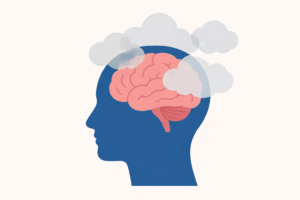
What is Long COVID Brain Fog Syndrome
Long COVID Brain Fog Syndrome refers to a cluster of cognitive symptoms that continue weeks or even months after recovering from COVID-19. It is not a formal diagnosis yet, but it is widely studied in Neuropsychology.
Common features include:
- Difficulty concentrating
- Memory lapses
- Mental fatigue
- Slower thinking
Causes of Long COVID Brain Fog Syndrome
Long COVID brain fog syndrome is one of the most commonly reported lingering effects after a COVID-19 infection. It is not a single condition with one cause, but rather a combination of biological changes that affect how the brain functions. Researchers are still studying it, but several strong explanations have been identified.
1. Inflammation in the brain
During and after COVID-19, the body’s immune system can stay in an “activated” state. This can lead to ongoing inflammation, including in brain tissues. When the brain is inflamed, it can affect attention, memory, and processing speed, making it harder to think clearly or focus for long periods.
2. Immune system overreaction
In some cases, the immune system continues to respond even after the virus is gone. This prolonged immune activity can disrupt normal brain function. It may interfere with communication between brain cells and contribute to fatigue, mental slowing, and difficulty concentrating.
3. Disruption in neurotransmission
Neurotransmitters are the chemical messengers that help brain cells communicate. COVID-19 and the body’s response to it may disturb the balance of these chemicals. When this communication system is affected, people may experience forgetfulness, slower thinking, and reduced mental clarity.
4. Reduced oxygen supply during illness
In more severe COVID-19 cases, oxygen levels in the body may drop. The brain is highly sensitive to oxygen supply, and even temporary reductions can affect cognitive performance. While many people recover fully, some may experience lingering effects on memory and focus.
Ongoing research and understanding
Scientists are still learning why some people develop brain fog while others do not. Factors like stress, sleep disruption, and overall health during infection may also play a role. What is becoming clearer is that long COVID can affect the brain just as it affects other parts of the body.
Most importantly, for many people, symptoms improve gradually over time as the body heals and inflammation reduces.
7 Signs of Long COVID Brain Fog Syndrome
1. Persistent Forgetfulness
People may forget simple tasks or conversations.
2. Difficulty Concentrating
Focusing on work or studies becomes challenging.
3. Mental Fatigue
Even small tasks feel exhausting.
4. Slower Thinking
Processing information takes longer than usual.
5. Confusion or Disorientation
A temporary sense of being mentally “lost.”
6. Trouble Finding Words
Speaking fluently becomes difficult.
7. Reduced Productivity
Daily efficiency drops significantly.
These symptoms highlight how Long COVID Brain Fog Syndrome affects both cognitive and emotional functioning.
Diagnosis and Challenges
It can be difficult because:
- Symptoms vary widely
- No single test confirms it
- It overlaps with conditions like Chronic Fatigue Syndrome
Doctors often rely on symptom history and cognitive assessments.
Recovery and Treatment Strategies
Managing Long COVID Brain Fog Syndrome involves a combination of approaches:
1. Cognitive Rehabilitation
Exercises to improve memory and focus.
2. Healthy Lifestyle
- Balanced diet
- Regular sleep
- Physical activity
3. Stress Management
Practices like mindfulness and relaxation techniques help restore mental clarity.
4. Medical Support
Consulting specialists in Clinical Psychology can provide structured therapy.
Recovery is gradual, but many people show improvement over time.
Prevention Tips
Although not always preventable, you can reduce risk by:
- Maintaining overall health
- Managing stress
- Seeking early medical care
FAQs
Is Long COVID Brain Fog Syndrome permanent?
No, many people recover gradually with proper care.
Who is at risk?
Anyone recovering from COVID-19 can experience it, regardless of age.
Conclusion
It is a rare but important psychological condition that highlights the long-term effects of COVID-19. With growing awareness and research, effective treatments and recovery strategies are becoming more accessible.
While the journey to recovery may feel slow, small and consistent steps can lead to meaningful improvement in cognitive health. Early recognition, proper support, and a balanced lifestyle play a key role in managing symptoms effectively.
As science continues to evolve, there is increasing hope that individuals affected by Long COVID Brain Fog Syndrome will regain clarity, confidence, and quality of life. Staying informed and proactive can make a powerful difference in the healing process.